The output is not the outcome: notes from UKCharityCamp

Broad conversations, some very specific questions, and some beautiful serendipity
UKCharityCamp was last week, and I wrote this on the train home looking back at my favourite day of the work year.
It’s the only national unconference for the third sector. The agenda is built on the day from the conversations the people there want to have. We had 6 rooms, and 5 time slots, so 30 different conversations were had, on topics from “How are people actually using AI, dealing with mixed adoption and disconnects between staff and leadership” to “Aligning and integrating teams (especially global)”.
Unlike last year, I stayed in one room all the time. We’d had some feedback that some light-touch facilitation would be useful to prevent single voices dominating a conversation. I think just the fact we said we’d have a volunteer in each room doing that made a big difference. I certainly can’t remember having to encourage anyone to speak less, and I enjoyed encouraging folk to speak more if they wanted to.
This did mean that my wrap-up at the end of the event, as the day’s host, was a little specific to my experience. My “slides” for that slot were the sharpie-scribbles I’ve used here. That said – my day went like this…
Automation: what and how
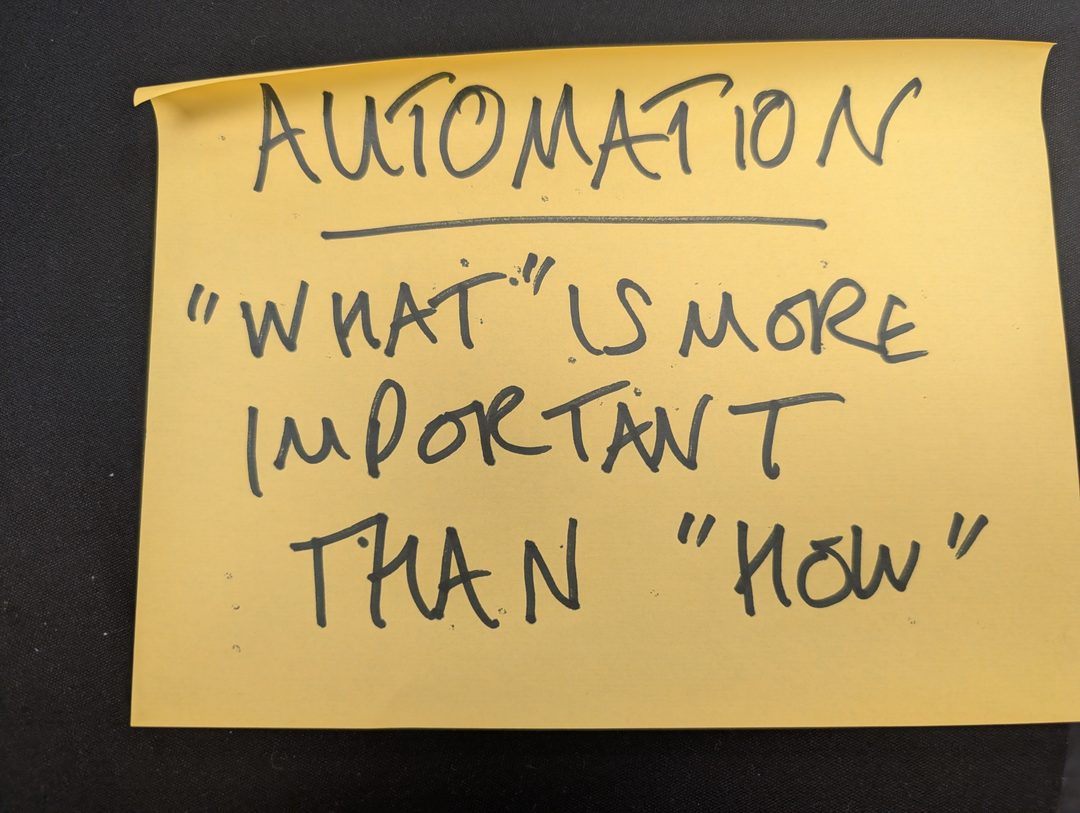
The tenor here was – be more human. Understand people’s everyday pains through conversations and mapping, before starting to think about fixes. And even then start with the tools you already have, your office tools and operating systems, and think of training and sharing before you spend on new technology. Don’t feel you have to automate what exists, either. You may well find fixing a broken process does more good than digitising it. Once you do get to a technology question – ask the folk at Digital Candle; the free tech advice service for charities.
AI, SEO, and charities who offer content
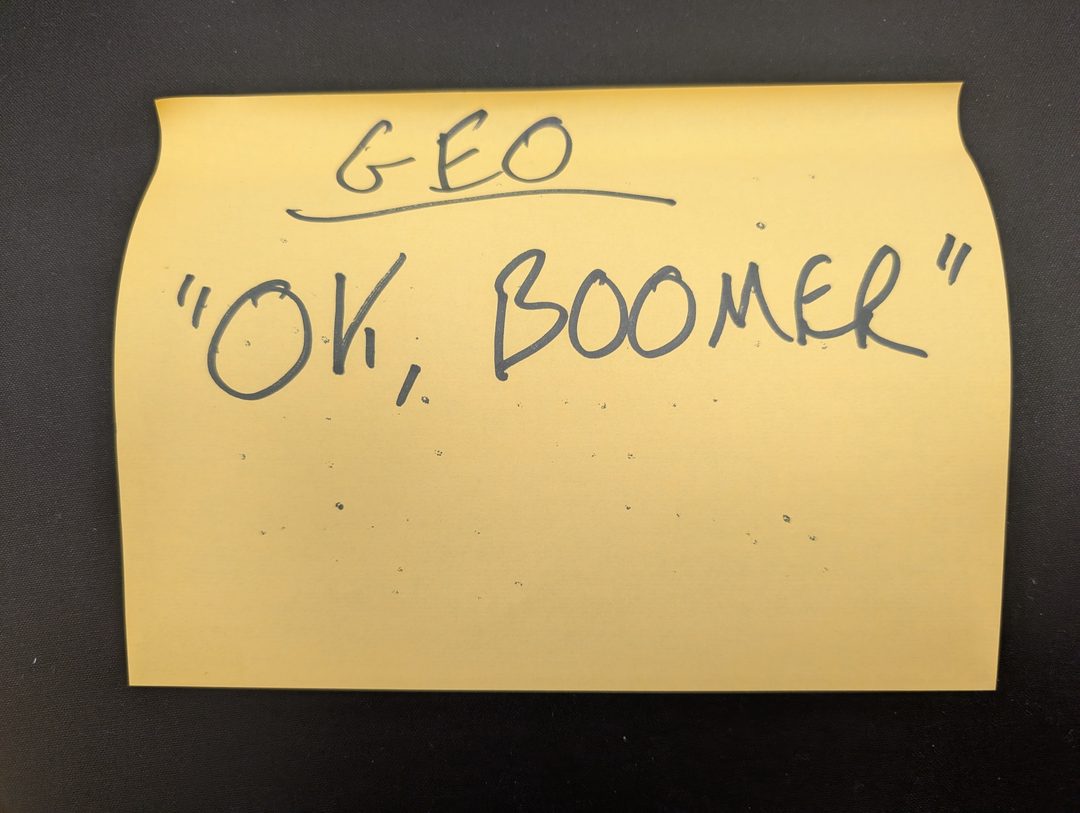
It’s been 3 decades since I first met the term “disintermediation” when it predicted what the Internet was going to do to retail, and now it’s just as much of a threat to charities who deal in accurate, well written, advice. I felt justifiably challenged when people in the session said that a website was just an assumption about how folk wanted to consume content.
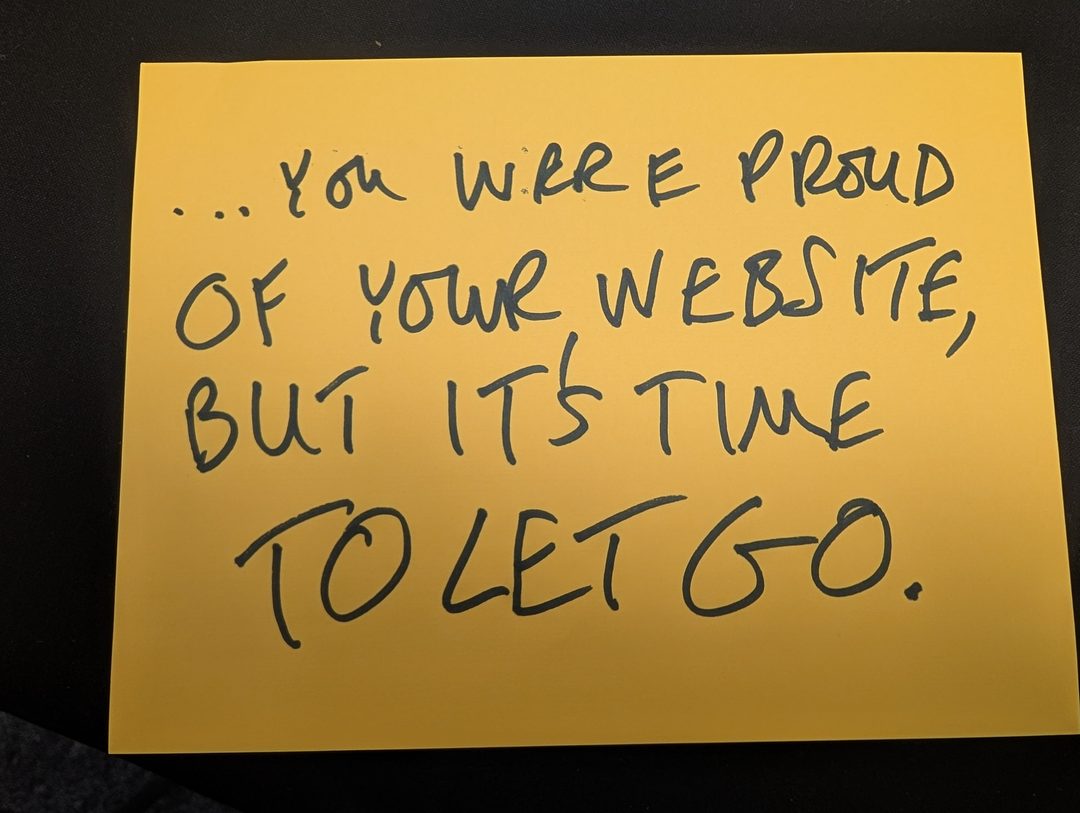
Organisations who are considering where their content needs to be, and in what format, to suit new habits are the ones who will surf this wave without wiping out. They’ll also need to concentrate on a trusted brand, one that’s recognisable wherever it’s encountered, in order to remain relevant. Real food for thought there.
AI policies and boundaries
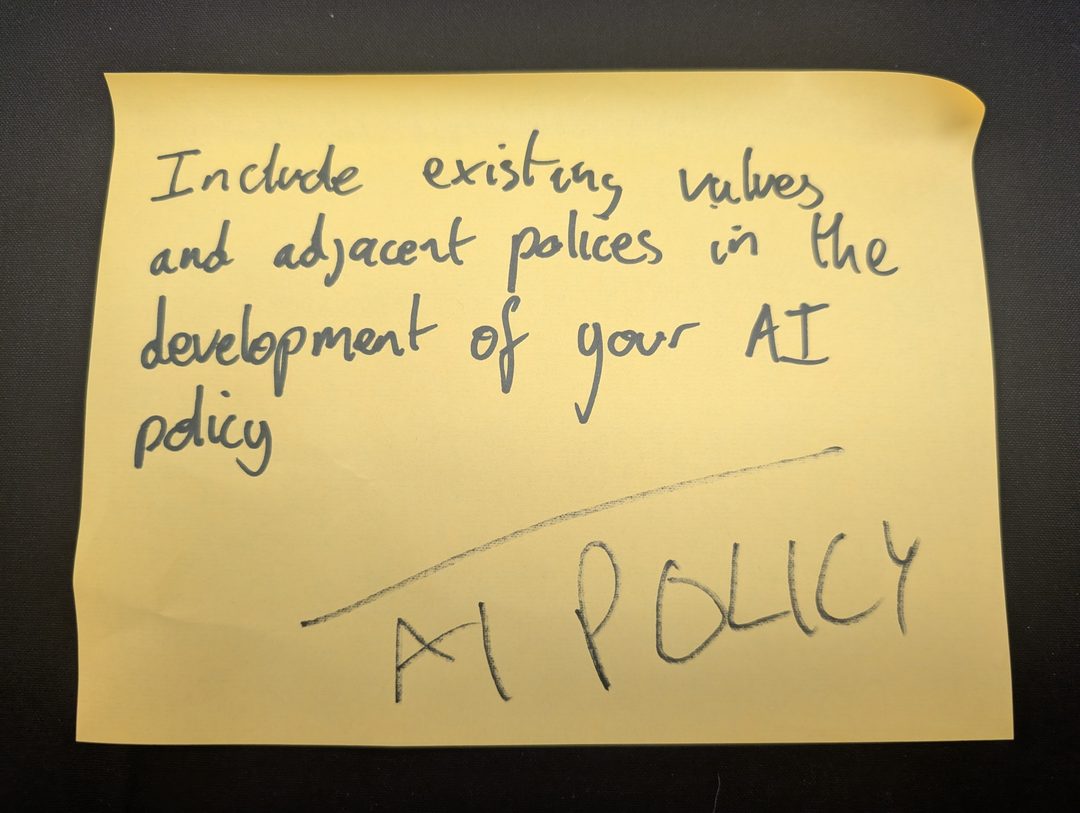
This UKCharityCamp was different for me because rather than working on projects for various organisations, I’m the (fractional) CTO of one, the Local Government Information Unit (LGIU). I admit that this conversation was on the agenda because it’s on my to-do list for them, but plenty of people joined me and I learned a lot.
It shouldn’t have been a surprise to learn that an AI policy doesn’t exist in a vacuum. I knew I was going to embed ours in LGIU’s values, but it hadn’t occurred me that I should also be looking at our other policies too. Another useful steer was to start with a statement and write the policy through that lens. That I’ll definitely be doing.
What I really didn’t expect was for someone to cite dxw’s Playbook as an exemplar of good working in the open. Not because I wasn’t proud of that myself, but because it didn’t occur to me others had noticed. I’ll be leading with a public statement of how LGU uses AI before filling in the detail in a policy.
Lastly – embedding an expectation of change into the policy itself was a useful steer. I came out of this session really pleased with how practical the advice was, from folk who had obviously had the same task and wanted to share what they’d learned.
Threats and opportunities from AI: how to harness and where to get specialist support
Ah, the after lunch slot… A pensive session, which dramatically sped up right near the end when we started talking about the specific threat of AI-powered job applications taking up the time of people who were giving everyone the time it warranted, rather than perhaps the time it deserved.
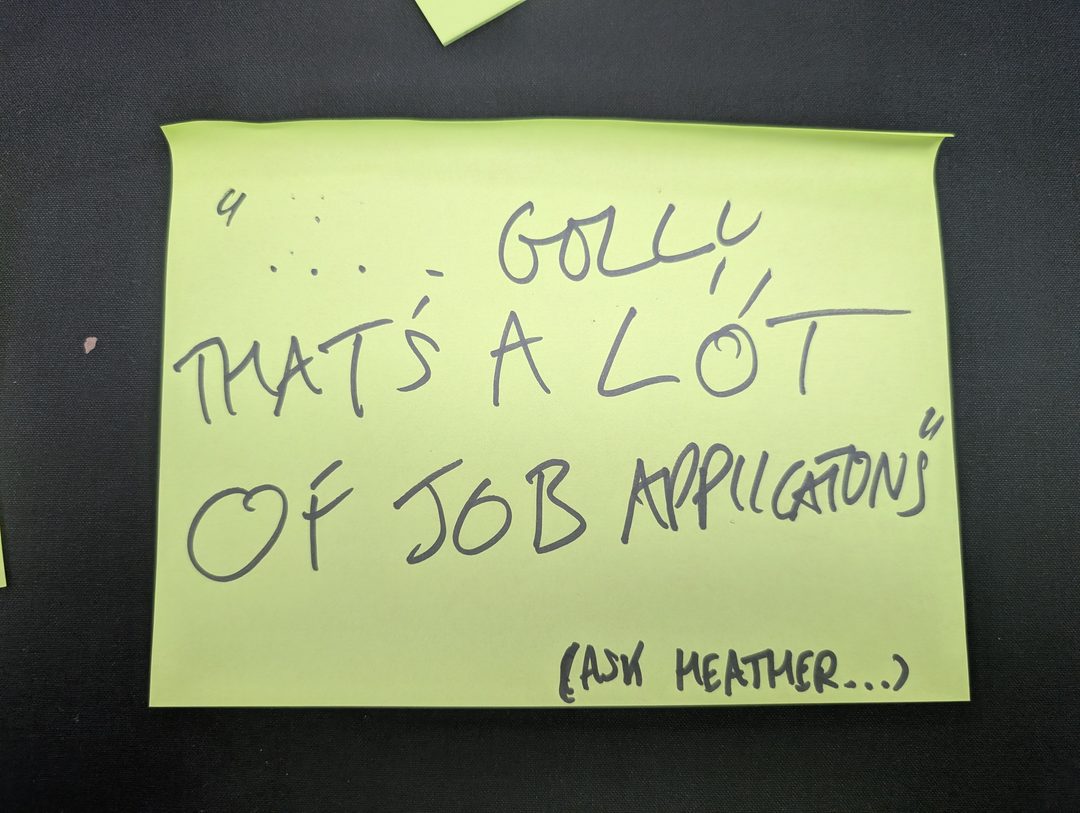
Some thoughts about how AI would chew through friction, giving a voice to those who might not have had it before, but flooding channels which weren’t designed for such flow. Some about how skills degrade if they’re not exercised, and concern for those starting out in the job market and how they’d get the experience to know when their AI was wrong.
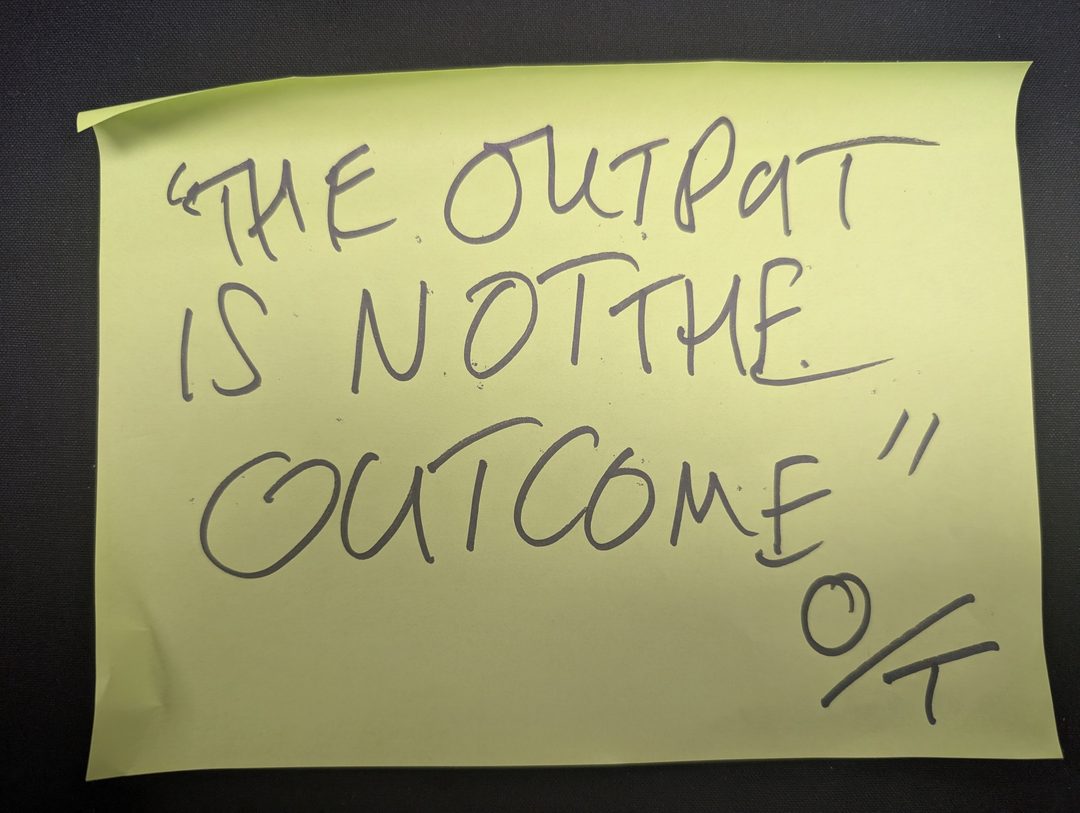
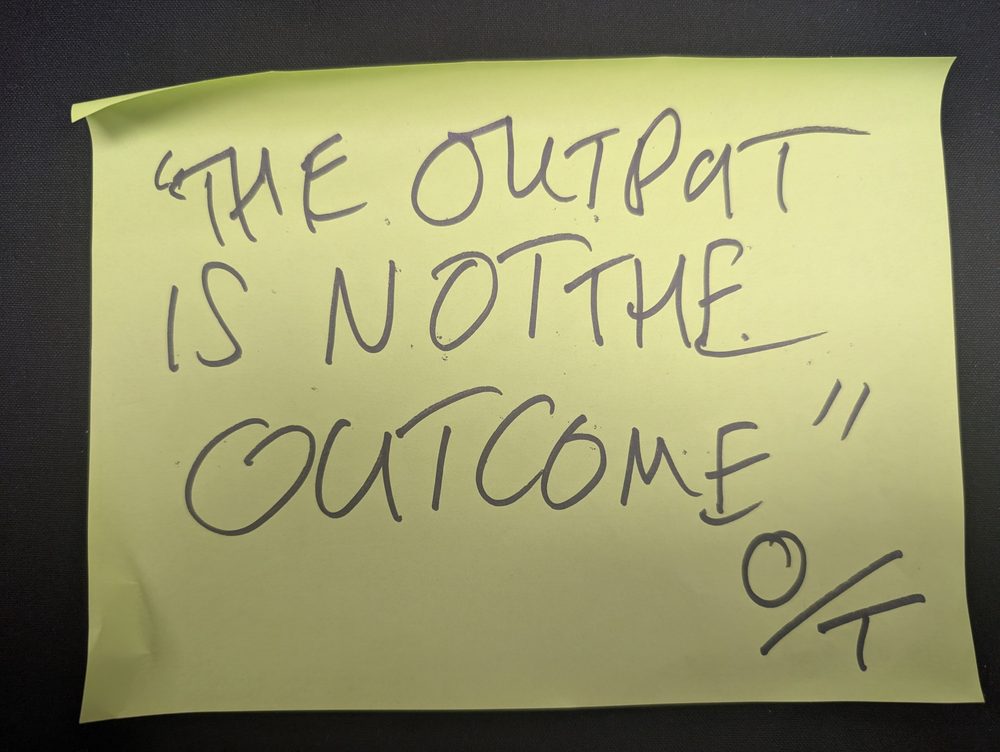
A specific reminder that the output is not the outcome – AI may be able to write your workshop report, but that in itself is simply a record, and the process of coming to a conclusion has its own value in internalising and communicating learning.
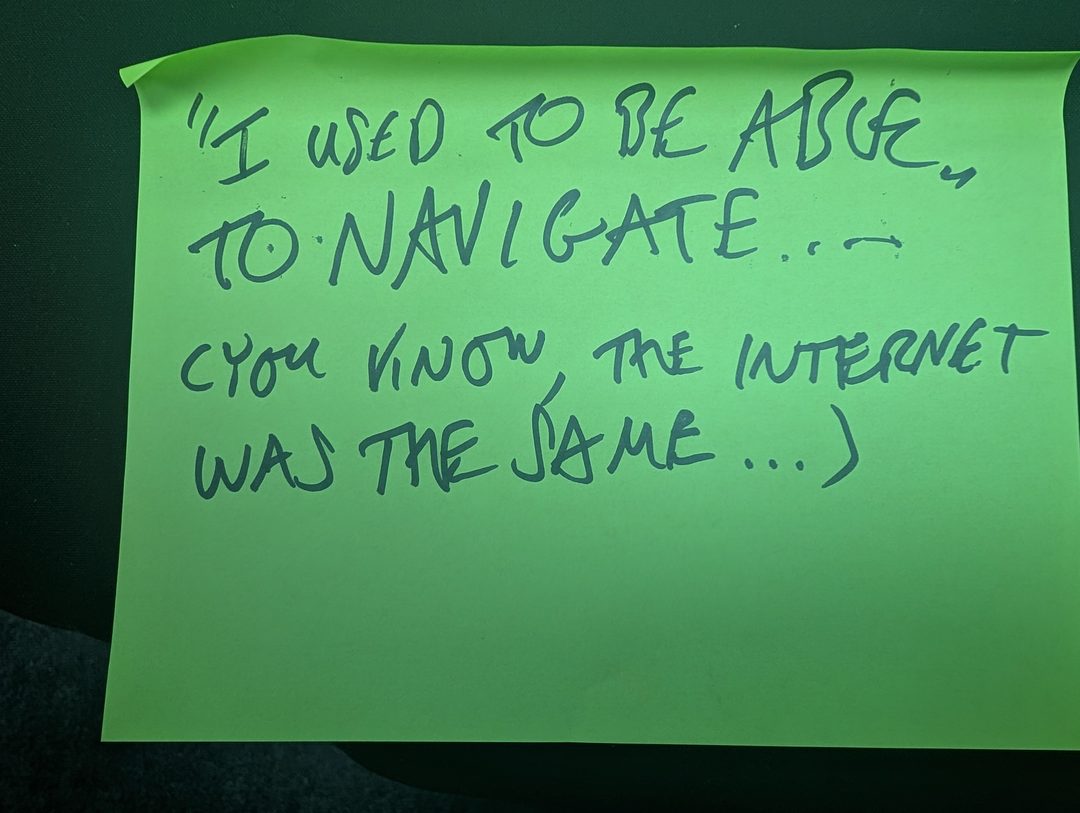
And a welcome reminder that we’ve been here before, and felt a change was too much before, and now we’re taking advantage of capabilities we didn’t even realise were a possibility then.
Inherited CRMs: tighten them up or start again?
The last session of an unconference can be a little much. At past events, I’ve ducked out after a full day of thinking, but this was a gem of serendipity. It was only the person who raised the subject and myself, but I happened to have a deal of context about their very particular reason for talking CRMs and their very particular tech stack. That meant I could answer their specific questions, in their specific context, and that was incredibly rewarding.
If my maths is correct, my slice of the event is just one of 7,776 possible ways you could have cut your day, but I think it shows the huge value of a day like this. Some broad conversations, some very specific questions, and some beautiful serendipity.
Another excellent event, then, and thanks to our fine sponsors UKGovCamp Zoonou, Poteris, Nexer Digital, ProMo Cymru CAST Centre for the Acceleration of Social Technology Radiate Hiring and Tilt for helping out.
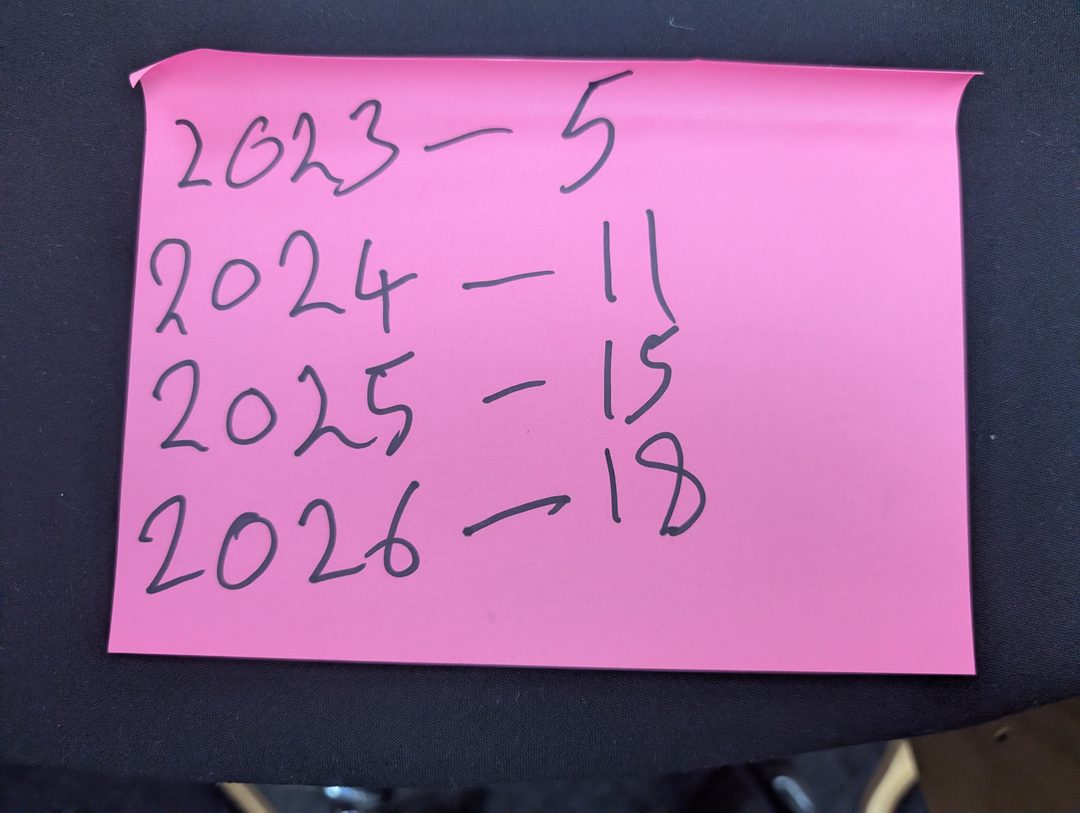
And one last thought. I made a very rough count of the mentions of AI in the session grid over the last 4 years.
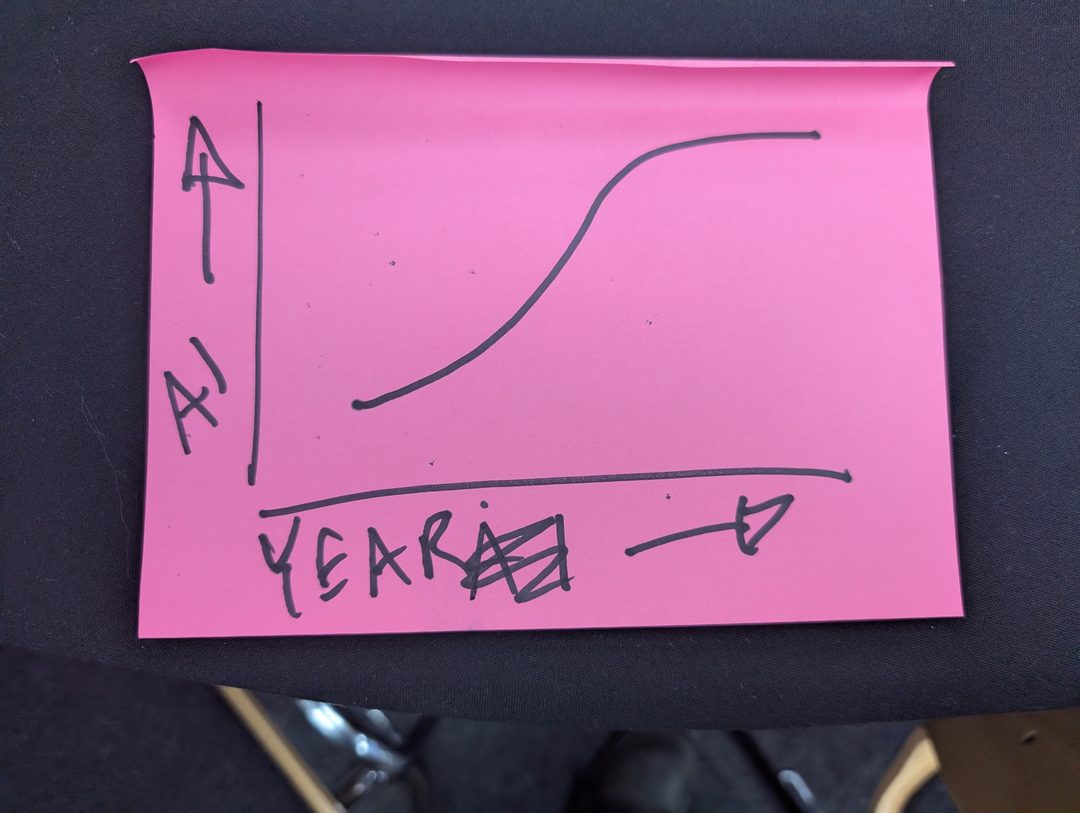
That graph shows a pleasing S shape, if you’ll excuse the bug in the x-axis labelling. It seems we might be plateauing, from massive growth in 2024/2025 to a maturity and some deep and specific questions now.